
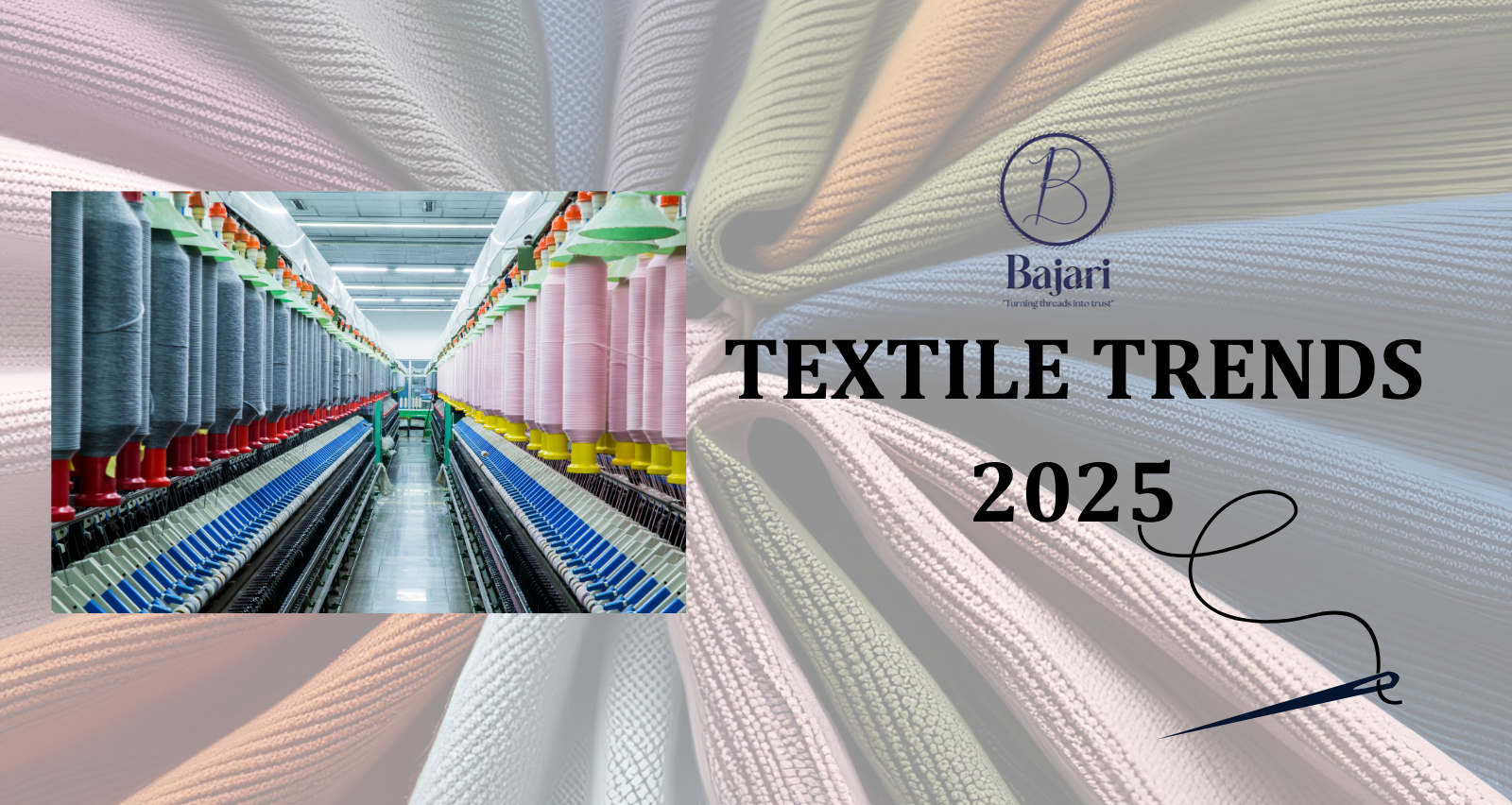
As we move deeper into 2025, the global textile industry is witnessing rapid transformation. Two technologies leading this shift are texturizing synthetic yarns and circular knitting. These methods are becoming essential for companies seeking efficiency, innovation, and sustainability. In this blog, we’ll explore the latest trends, benefits, and business opportunities in both areas.
1. Texturizing Synthetic Yarns: Adding Value Through Texture
What is Texturizing?
Texturizing is a process that modifies the physical structure of synthetic yarns (such as polyester or nylon) to improve their appearance, softness, insulation, and elasticity. This is achieved by methods like crimping, bulking, or coiling, which make the yarn feel more like natural fibers.
Why Texturizing Matters in 2025
- 🌡️ Improved Insulation: Texturized yarn traps air, offering better warmth—ideal for winter wear and activewear.
- 🌱 Natural Look & Feel: Reduces the shiny, plastic-like appearance of synthetic yarns.
- 🎨 Creative Design: Enables fancy and novelty yarns for premium fashion, home, and decorative textiles.
- ♻️ Eco-Friendly Options: Growing use of recycled PET and low-impact processes supports sustainable fashion goals.
Popular Applications
- Sportswear and athleisure
- Outerwear and insulation fabrics
- Fancy yarns for fashion and upholstery
- Seamless garments and technical textiles
2. Circular Knitting: Fast, Seamless, and Smart
What is Circular Knitting?
Circular knitting is a high-speed technique that creates fabric in a continuous tube, often used for seamless garments and stretch fabrics. It reduces waste, labor, and production time—making it a top choice for modern textile manufacturers.
Key Trends in Circular Knitting (2025)
- 🤖 Automation & Smart Machines: Advanced machines with AI and IoT features for real-time quality control and efficiency.
- 👕 Whole-Garment Knitting: Garments are made in one piece, reducing seams and sewing steps.
- 🌍 Sustainable Production: Increased use of organic yarns, recycled fibers, and waterless dyeing methods.
- 📈 High Market Demand: Strong growth in sectors like athleisure, lingerie, medical wear, and automotive textiles.
Business Advantages
- Faster production with less fabric waste
- Lower labor costs and fewer defects
- Higher flexibility for custom and complex designs
- Greater appeal to eco-conscious brands and buyers
Conclusion
In 2025, the future of textiles is efficient, sustainable, and tech-driven. Whether you specialize in texturizing yarns or circular knitted fabrics, now is the time to invest in automation, eco-certifications, and new product development. By staying on top of these trends, your company can attract global buyers, reduce costs, and strengthen its position in a competitive market.